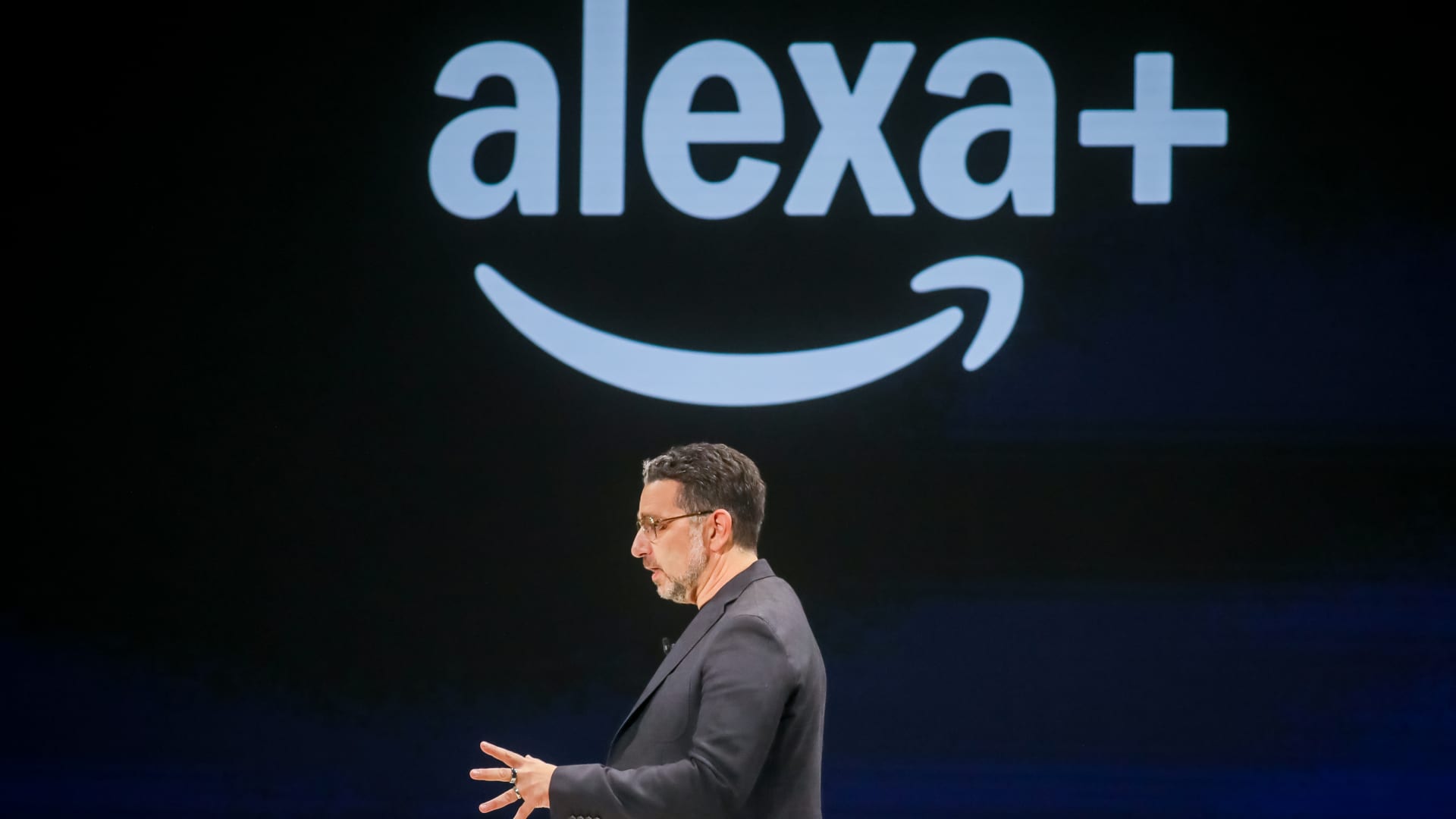
A company executive told CNBC that Amazon is designing its own silicon to power future generations of its consumer devices, deepening its push into custom AI hardware.
What Happened
An Amazon executive told CNBC that the company is developing its own AI chips specifically for consumer devices like Echo smart speakers and Fire TV streaming boxes, with an eye toward future hardware as well. The interview points to an internal silicon effort aimed at handling on-device AI tasks more efficiently than Amazon's current setup, which relies on a mix of third-party components and cloud processing.
Exact chip names, release timelines, and technical specifications were not detailed in the available reporting. This story is based on a single executive interview, so specifics beyond the general strategy should be treated as unconfirmed until Amazon provides further documentation.
Why It Matters
Custom silicon lets a company tune hardware precisely to its own software, which usually means faster AI responses, lower power draw, and less dependence on suppliers like Qualcomm or MediaTek for edge processing. For Amazon, that could translate into snappier Alexa interactions and smarter on-device features across millions of Echo and Fire TV units already in homes.
It also signals Amazon doubling down on generative AI at the hardware level, not just in the cloud. As voice assistants evolve into more capable AI agents, the chips running them locally become a bigger differentiator.
The Context
Amazon isn't new to custom chip design. Through AWS, it already builds Graviton processors for servers and Trainium/Inferentia chips for AI training and inference in the cloud. On the device side, Amazon introduced the AZ1 Neural Edge processor a few years back for faster on-device Alexa processing in select Echo hardware.
This latest move would extend that same philosophy to a wider range of consumer products, following a broader industry pattern. Apple, Google, and Samsung have all invested heavily in proprietary chips to control performance and reduce reliance on outside vendors, particularly as on-device AI features become standard expectations rather than premium add-ons.
BrandonVworld Take
Honestly, this tracks. Amazon's been quietly building chip muscle through AWS for years — Echo and Fire TV finally getting the in-house silicon treatment feels less like a surprise and more like the next logical step. If Alexa's going to lean harder into AI-agent territory, it needs hardware that doesn't choke or phone home to the cloud for every little request.
That said, I'd hold the confetti. "Designing chips" and "shipping chips in devices you can buy" are two very different timelines, and Amazon hasn't put a date on anything here. We've seen ambitious hardware roadmaps stretch out before. Cautiously optimistic, but I want to see silicon in a real product before calling it a win for the V-Fam.
What We Still Don't Know
Amazon hasn't specified which chip architecture it's using, when devices with the new silicon might ship, or whether this replaces or supplements existing components like the AZ1. No pricing or product names have been confirmed.
Will custom silicon finally make Alexa feel instant, or is this just Amazon playing catch-up?